A Tale of Two Chairs


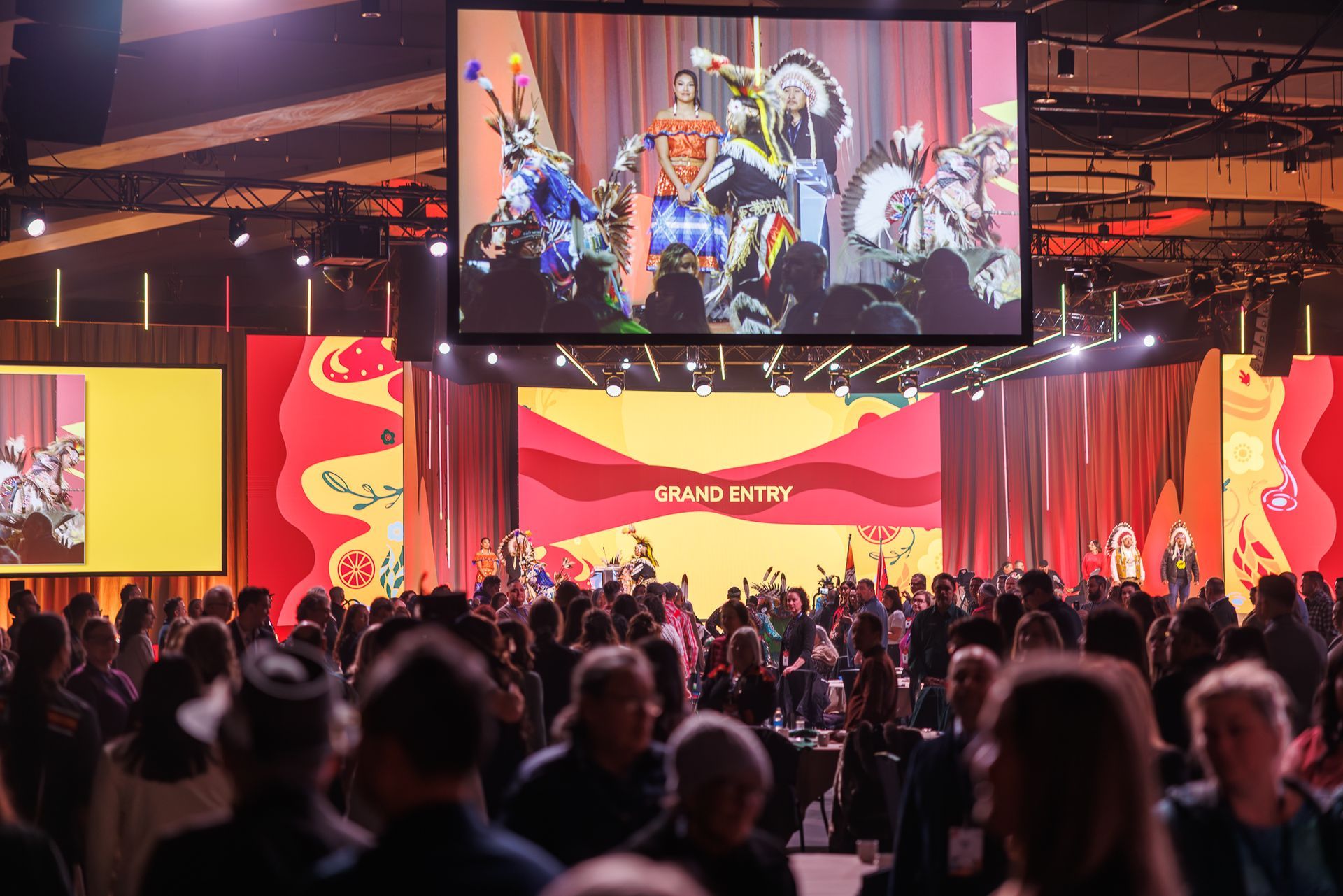
In May 2026, we had the absolute honour of producing the Glenn Gould Prize Gala for the iconic Elton John.
The Glenn Gould Prize is one of the world’s significant international arts honours, recognizing a living artist for a lifetime of artistic achievement and their contribution to the human condition through the arts. Established in 1987, it honours artists who embody the innovative spirit of Canadian pianist Glenn Gould. Elton John was the 15th Laureate.
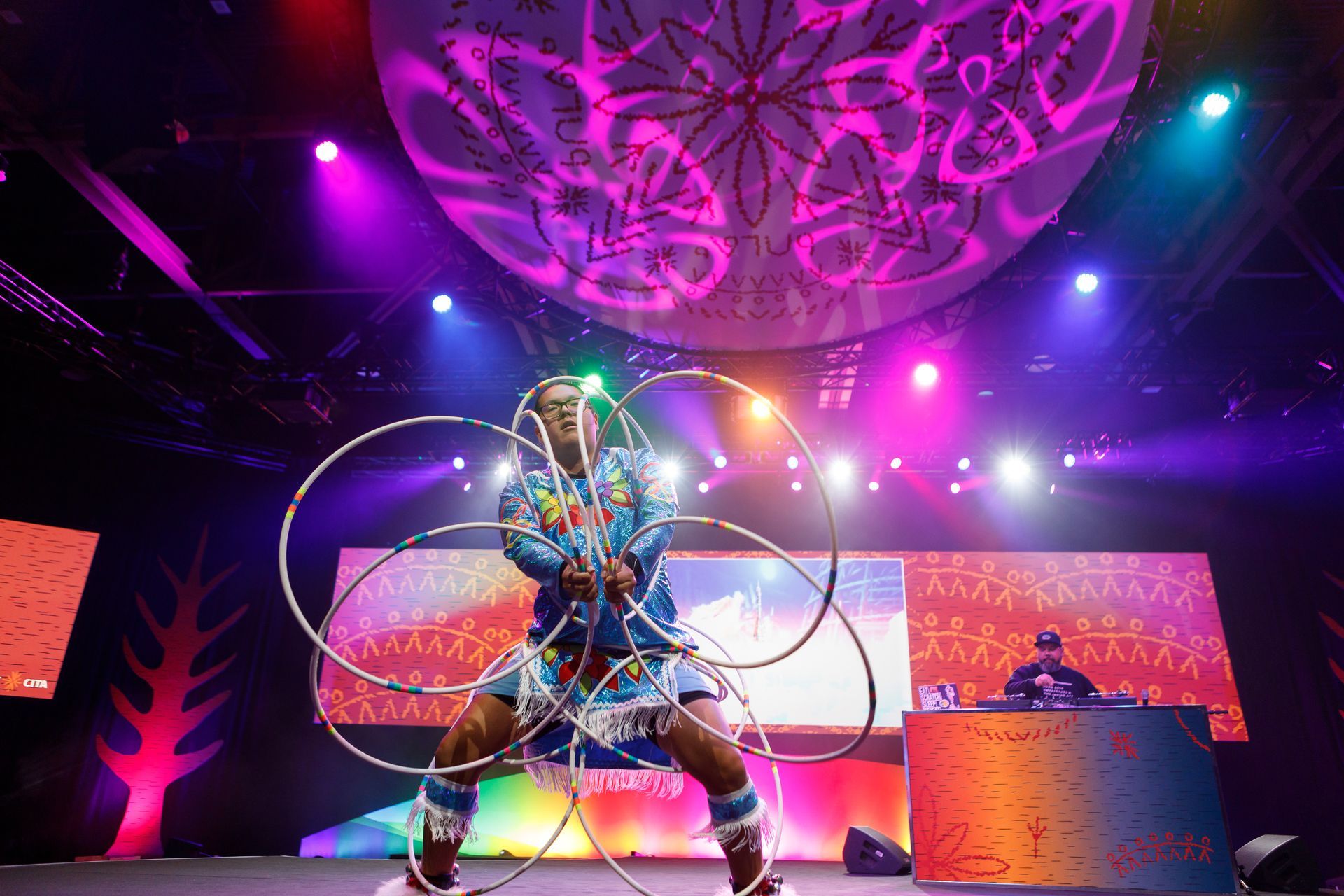
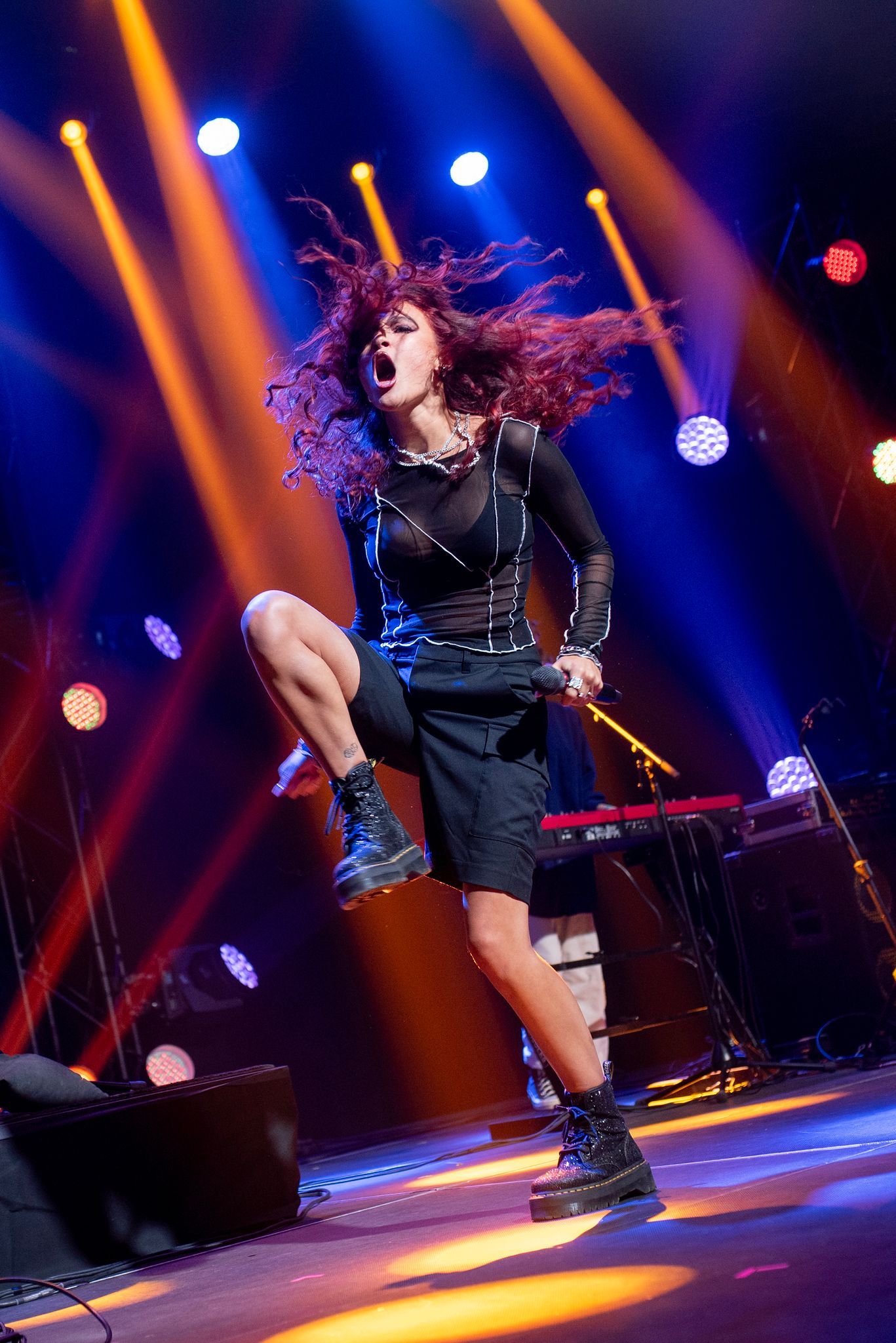
The evening was filled with Elton’s music, performed by an extraordinary group of Canadian artists hand-selected by Elton himself. Diana Krall, Sarah McLachlan, The Beaches, Ron Sexsmith, Jeremy Dutcher, LOONY, Emily D’Angelo, Ryan Wang and more. It was a pretty spectacular group of humans to have in one room.
My role was designing the guest experience, particularly the VIP floor sections, as well as the logistical movement of Elton and his team. In other words, I was thinking about how the audience, the artists, the production and the guest of honour could all exist together in one big, beautiful, slightly complicated ecosystem.
It’s the part of event design I love. The little details you might not notice unless they’re not right.
And this story is about two chairs.
First, Glenn’s chair.
I have to confess: before this project, I knew Glenn Gould primarily as the guy whose statue I walked past outside the theatre in Toronto that bears his name.
I knew the name. I knew he was a Canadian musical genius, but I did not know about the chair.
For the show, our creative team dug deep into the parallels between Glenn and Elton; two extraordinary artists who found their way through music, pushed boundaries, had distinctly individual personalities and, in their own ways, were a little bit kooky. Both brilliant. Both completely themselves.
And then I discovered Glenn’s chair.
Gould’s famous piano chair began as a wooden folding chair. His father, Bert Gould, modified it in 1953, shortening the legs and adding a mechanism that allowed each leg to be adjusted independently. It put Gould extraordinarily low to the piano, about 14 inches from the floor, and became an essential part of the way he played. He took it with him throughout his performing and recording career.
Of course, once I knew about the chair, I wanted the chair. I could see it.
Centre stage. Pride of place. A little piece of Glenn Gould physically sitting in the middle of this celebration of Elton John.
We knew our musical director, Scott Price, wasn't going to actually use it as his piano chair.
So…what do you do with a very famous chair that isn't going to be used as a chair?
Enter our Producer, Jessica.
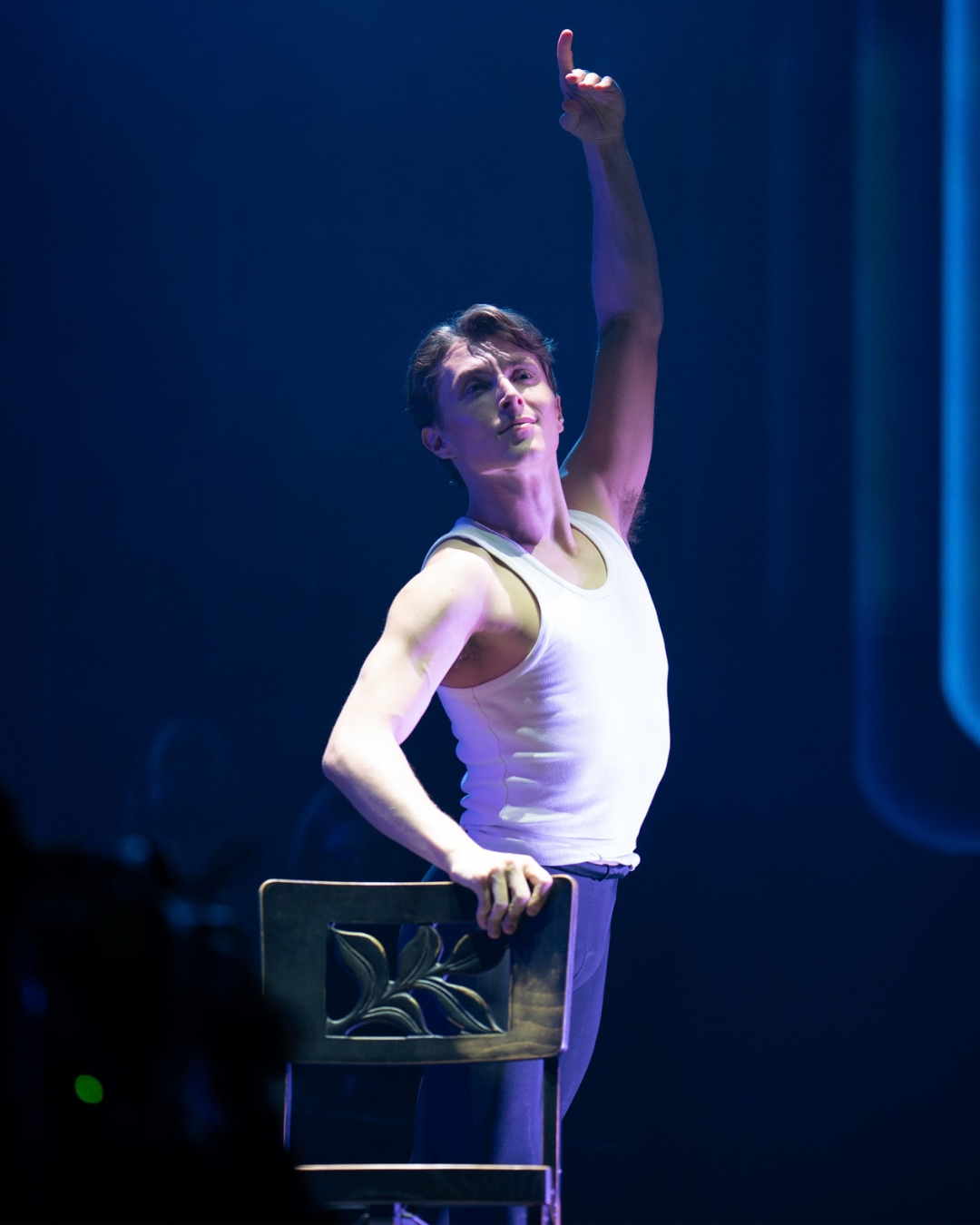
She had the brilliant thought of bringing the replica of the chair into the segment celebrating Billy Elliot, the musical with music by Elton John. In the show’s famous Dream Ballet, Billy dances with a chair before the chair becomes part of the larger choreography and the dream of flight.
Suddenly, Glenn’s chair had its place and it became a little glistening icon for the musicians and performers who recognized it immediately.
And then there was our piano tuner - I will never forget the look on his face when he saw the chair.
This is a man who spends his life making pianos sound perfect. And suddenly, sitting there in front of him, was a famous little piece of musical history.
He was thrilled and of course we took a photo. Because sometimes the people who make the show happen behind the scenes deserve their own little moments too.
And then there was Elton’s chair.
At the same time, I had another chair situation.
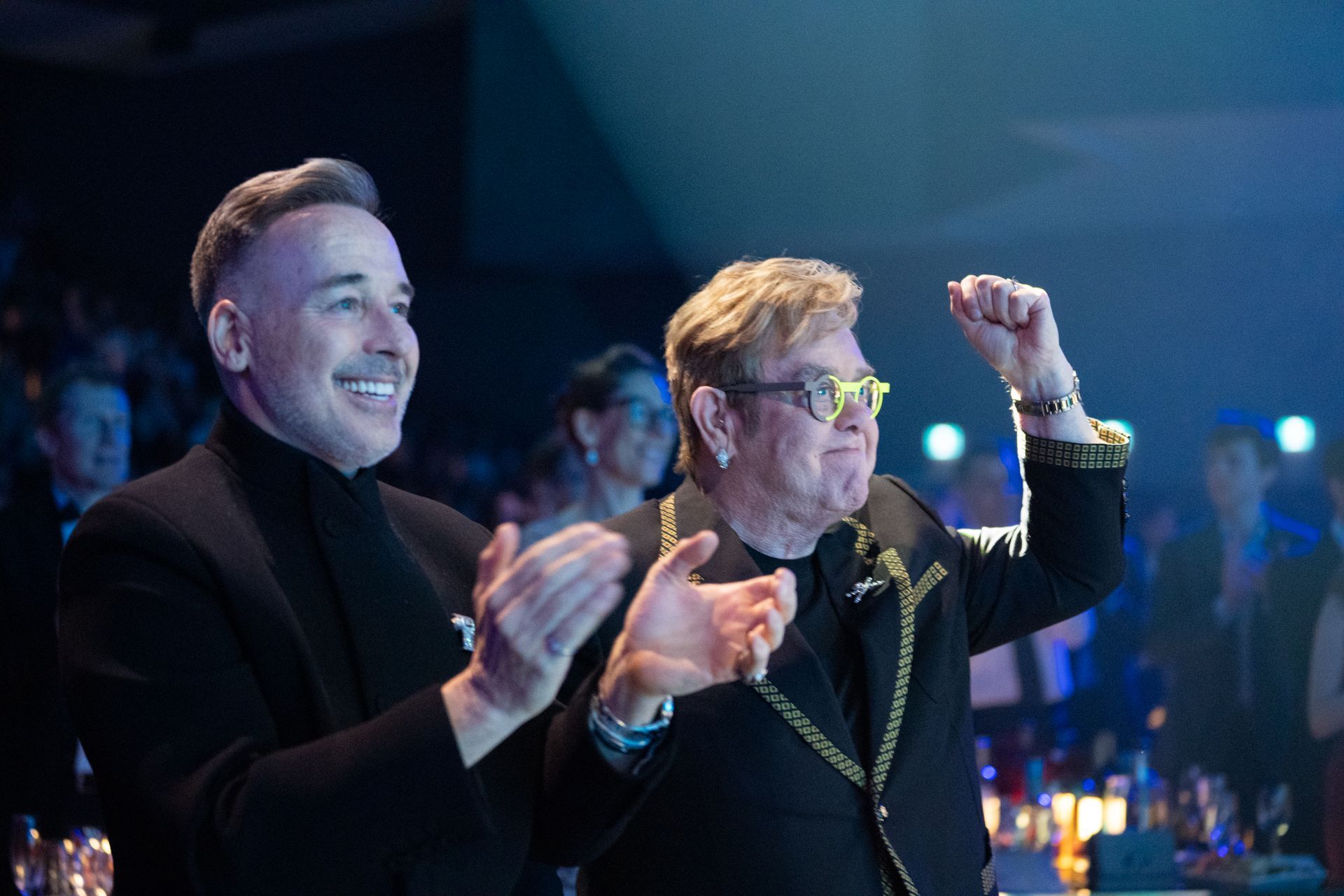
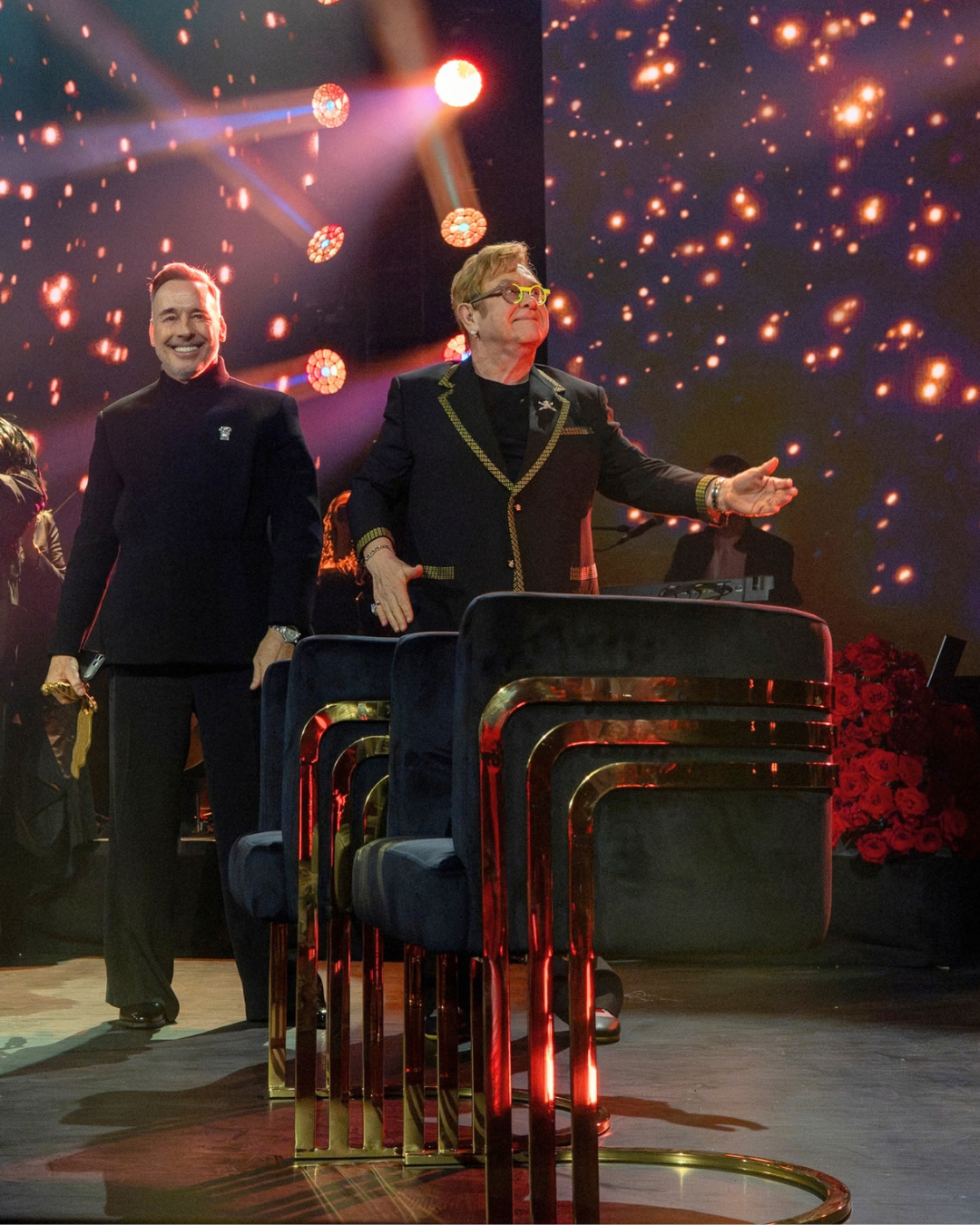
I was responsible for creating the space where Elton and his husband, David, would sit with their friends and experience the show.
We didn’t want Elton tucked away somewhere. We wanted him in it.
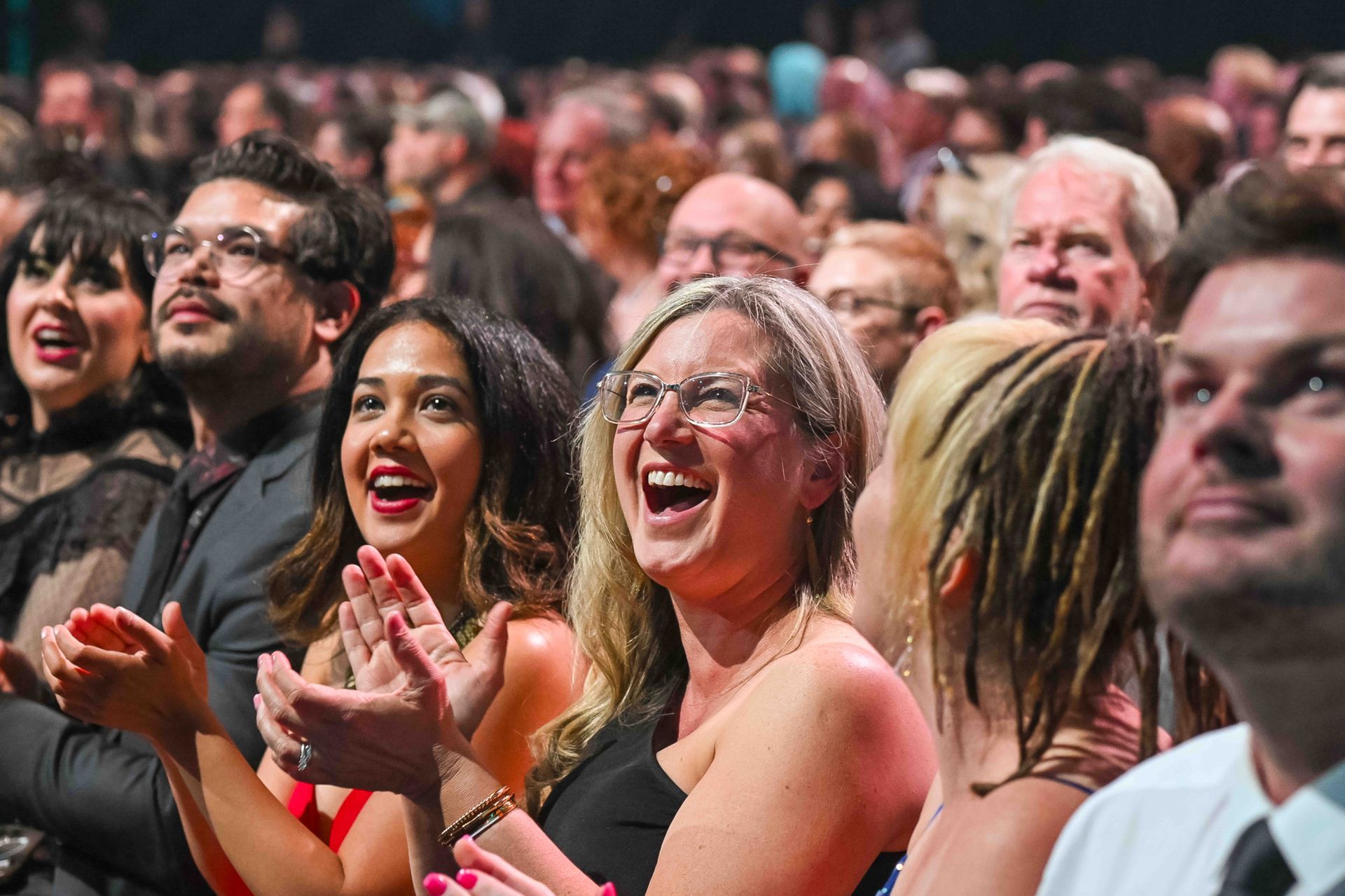
We wanted the artists to come to him. We wanted him to be part of the room, part of the audience, part of the celebration. We wanted the guests to feel connected to the stage rather than separated from it. And, of course, we wanted the thousands of people in the room to feel like they were celebrating with him.
So obviously, I became obsessed with his chair.
It may sound a little ridiculous, but these are the details that matter. I wanted the perfect chair for Elton. I researched his height, viewed him in other chairs, looked at design images of his homes and watched people sit in a variety of chairs to see how they landed, used the arms and if their legs were firmly planted or dangling…it needed to be:
Beautiful? Obviously.
Interesting? Absolutely.
But most importantly: comfortable.
I tested chairs.
Seat height. Seat depth. Seat width. Fabric. Sturdiness. Armrest placement. Scale.
And, importantly, what happened when a person got up out of the chair.
Because Elton was going to be standing up. A lot!
There were going to be standing ovations. There were going to be hugs. There were going to be artists coming down from the stage. There were going to be moments when he would need to move quickly.
I wanted a chair that would hold him, surround him and make him feel comfortable. I wanted it to almost hug him. I wanted him to feel surrounded by friends.
The show was spectacular. The emotion in the room was palpable. Elton felt the love. He was energized by the artists and the audience, and you could feel the joy moving around the room.
And then something happened that none of us had quite planned for. He leapt out of the chair and joined the artists on stage for a finale that no one expected.
It was spontaneous, joyful and completely electric. I like to think, just a little bit, that the chair helped.
And suddenly, my ridiculous obsession with seat depth and armrest placement didn't feel so ridiculous.
Two chairs. Two great artists.
Glenn’s chair represented something much bigger than a piece of furniture. It was a physical connection to the artist we were honouring alongside Elton, a little piece of history that played a role in telling the story.
Elton’s chair was about something else entirely.
It made space for a human being to feel good enough, safe enough and comfortable enough to do something unexpected.
Both chairs, in their own funny little ways, hugged a great artist.
And that is what I love about experience design. The chairs did not make the show, but they created the conditions for wicked moments to happen.
Sometimes moments are enormous, spectacular, impossible-to-miss things. And sometimes they’re a chair.
These are the little things that nobody sees. The details that may never make it into the show reel. The things the guest may never know you obsessed over.
But they feel them.
And that, to me, is the whole point.
Because the best experiences aren't just seen or heard.
They're felt.